
The winter season in the UAE is not just about “pleasant weather”. This is a period when urban mobility is changing its rhythm, and the transport infrastructure is starting to work at its limit. From November to March, the temperature stays in the range of 20-28°C, people leave their homes more often, tourist demand is growing, and the demand for individual trips is becoming noticeably higher. There are no small details in such a picture: departure time, route selection, parking accessibility, event traffic everything adds up to one big puzzle that drivers and passengers assemble every day.
And if in summer many people are willing to tolerate short trips and rare trips, then in winter a different logic arises: more plans, more locations, more stops, more expectations. This means more congestion, more congestion, more mistakes that cost minutes, and sometimes hours.
Seasonal Mobility Growth And Traffic Density
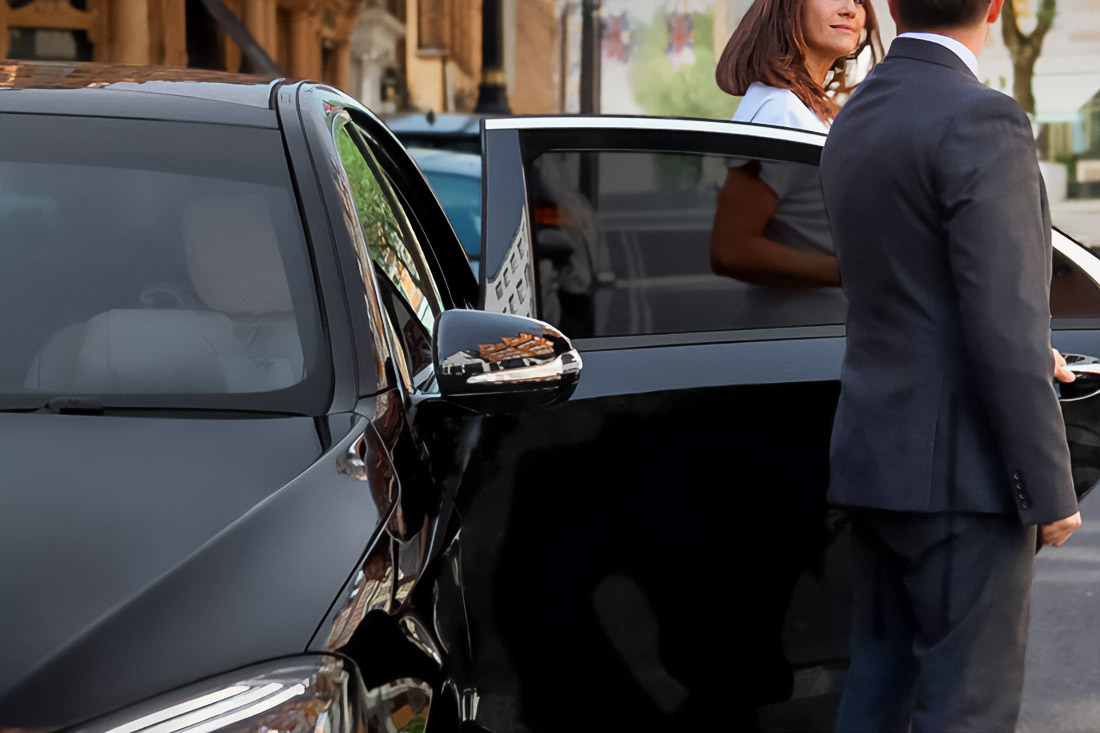
Winter triggers a seasonal increase in mobility for several reasons at once. Tourists come for vacations and excursions. Business guests arrive for meetings and events. Locals are actively choosing to enter the city, because movement is becoming more comfortable. As a result, traffic thickens, and traffic density increases even where it is relatively quiet in the low season.
The most significant marker is rush hours. The morning congestion window stretches from about 7:00 a.m. to 10:00 a.m. In the evening, traffic jams begin earlier: around 16:00, and often do not let go until 21:00. This is not an “ordinary traffic jam” that you can wait out. This is a peak load in which roads lose stability and predictability.
In this mode, the role of a professional driver from a chauffeur service in Dubai is especially noticeable. Not someone who just follows the navigator. And someone who understands urban patterns, knows where the flow will suddenly “stand up”, and knows how to plan routes in advance. Navigation expertise is important here. Minute-by-minute logistics is important here.
Event Traffic: When A City Abruptly Changes The Rules
Winter is also a season of events. And it is they who turn movement into an urban task with variables that are constantly changing. Closures, traffic restrictions, redirected flows, points where speed drops sharply all this appears not as an exception, but as an expected scenario.
Event traffic hits the most vulnerable spot time. The passenger can be prepared for the traffic density. But he is rarely prepared for the fact that the usual entrance is closed, and parking accessibility has disappeared an hour before the start of the event. On such days, time management becomes not a skill, but a necessity.
Therefore, during the high season, the source material explicitly mentions the rule of thumb: add 20-30% of the time to the usual calculations. This applies to city trips, transfer routes, and multipoint trips when you have several stops and a tight schedule. In such conditions, the winner is not the one who goes “faster”. The winner is the one who rides more reliably.
Airport Transfers And Arrival Congestion
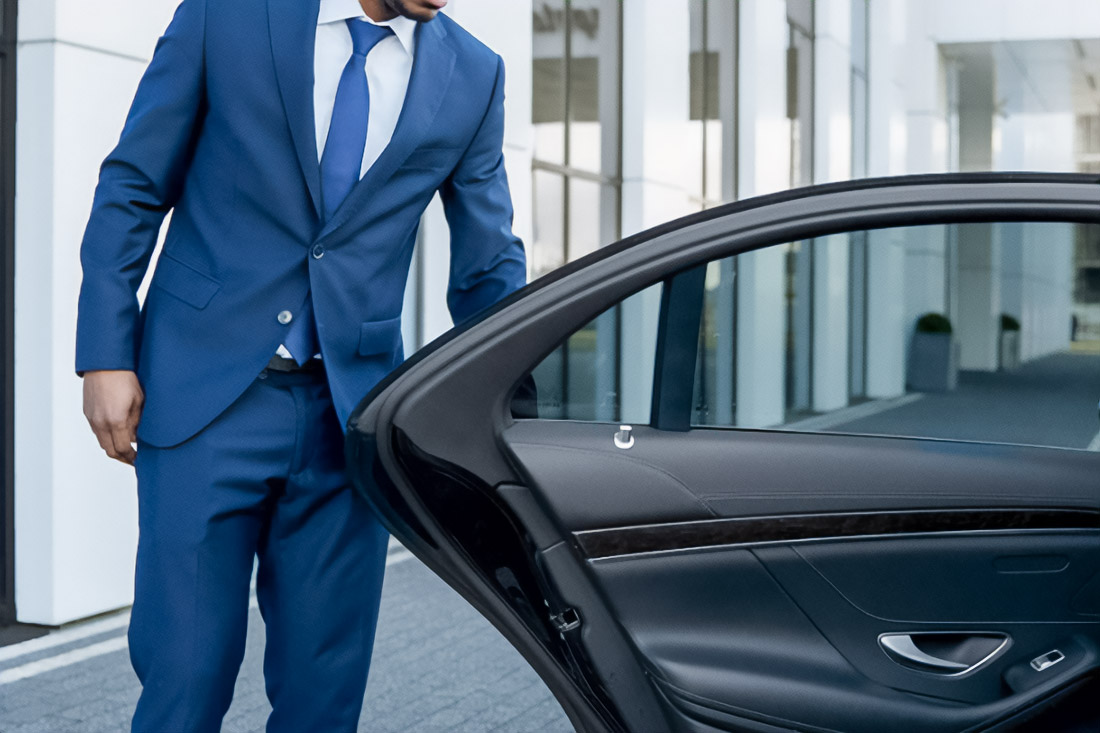
Airport transfers are a separate story. In winter, the load on airports increases, and peak arrival waves are more likely to occur in the evening hours. When several flights land next to each other in time, their own queue begins on the ground: in the landing zones of vehicles, at exits, on access roads.
For a passenger, it looks simple: a lot of people, little space, extra minutes. For the driver, this is a difficult operational situation, where reaction speed, route adjustment, communication accuracy and understanding of how access schemes are arranged are important. Once again, the key pair comes up: route planning and customer experience.
The passenger needs comfort. The passenger needs clarity. Therefore, expectation management becomes part of the service: warn about the delay in advance, explain the reasons, and give an update on arrival time. Against the background of city congestion, this reduces stress. And it makes the trip predictable.
Why Private Transport Wins In High Season
When a city is overloaded, individual transportation is often perceived as a way to regain control. Especially in winter, when plans are tight and routes are complicated: several meetings, several locations, an airport, dinner, an event, and back. Alternative routes are important here. The sequence of stops is important here. The stability of the service to overloads is important here.
At the same time, security does not take a back seat. There are more drivers on the roads in winter who are poorly oriented, change lanes abruptly and slow down unexpectedly. This means that the professional driving style, the extra distance and the avoidance of sudden maneuvers directly affect the safety of passengers and the comfort of movement.
That is why winter in the UAE is a season where experience, discipline and accurate calculation are valued. Demand is growing, supply is limited, and booking depth reaches 2-4 weeks during peak periods. This is logical: with high traffic density and a busy calendar of events, spontaneous decisions are almost always more expensive in terms of time, nerves, and ride quality.
The winter season sets the rules. And it’s better to play them consciously.
Basketball fan, feminist, record lover, Eames fan and holistic designer. Acting at the junction of beauty and function to craft an inspiring, compelling and authentic brand narrative. Let’s design a world that’s thoughtful, considered and aesthetically pleasing.